Criminal sanctions
Punishments are at the core of the criminal sanctions system. General punishments are a fixed fine, a fine, conditional imprisonment, community service, a monitoring sentence and unconditional imprisonment. Special punishments are a juvenile punishment that can be imposed on a person who was under 18 years of age upon committing an offence and a combination sentence that is intended for dangerous reoffenders. Special punishments for public officials are a warning and removal from office. Disciplinary punishments may be imposed on soldiers, and a corporate fine may be imposed on legal persons. A court may also decide to waive punishment.
Confiscation orders and administrative sanctions may also be imposed for acts that are punishable under the law. By imposing a confiscation order, a court orders that the proceeds of crime, for example, shall be confiscated. Punitive tax increases are an example of administrative sanctions.
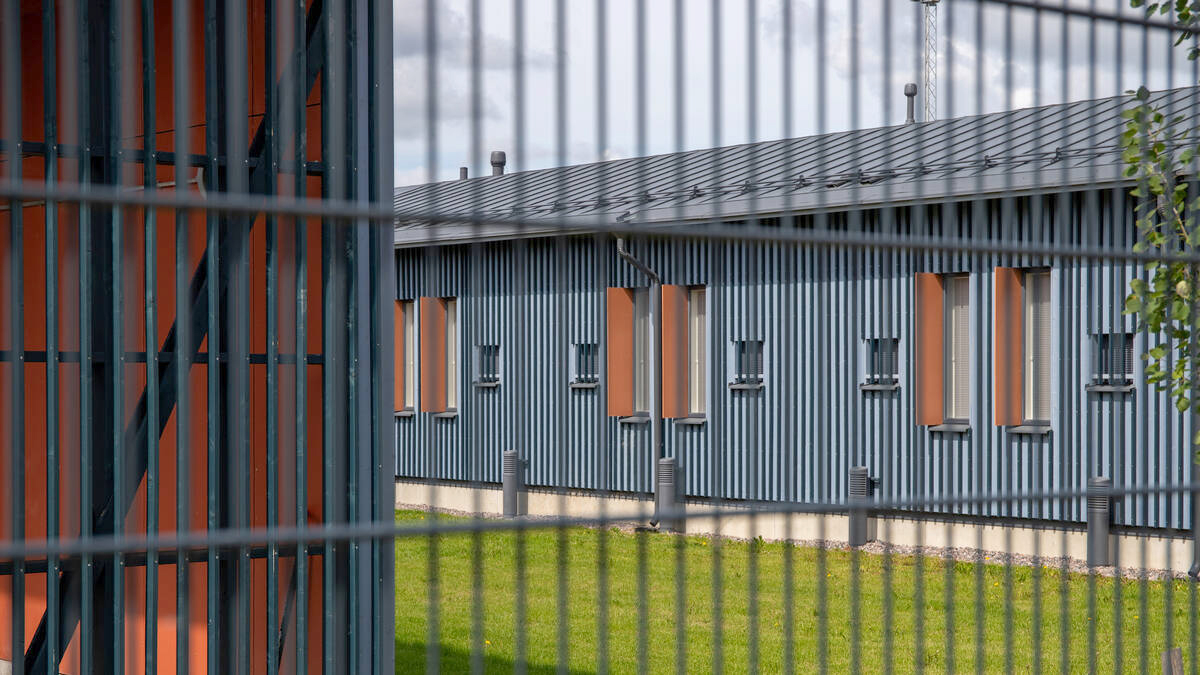
Unconditional imprisonment. A sentence of imprisonment is imposed for a fixed term or for life. The length of a fixed-term sentence of imprisonment is determined in accordance with the penal scale applicable to the offence. A fixed-term sentence of imprisonment is imposed for at least 14 days and at most 12 years. When a person is sentenced to a joint punishment of imprisonment for two or more offences at the same time, the maximum length of the sentence is 15 years. A sentence of life imprisonment may only be imposed for certain most aggravated offences.
Conditional release. A person serving a sentence of unconditional imprisonment is conditionally released when the person has served a specific proportion of the sentence. Conditional release means the release of a person serving a sentence of unconditional imprisonment or a monitoring sentence to serve the remaining sentence in freedom, either under supervision or without supervision. A probationary period, the length of which equals the length of the sentence remaining at the time of release, begins when a sentenced person is conditionally released. However, the maximum length of the probationary period is three years.
Probationary liberty under supervision. Six months before the regular conditional release at the earliest, a prisoner may be placed outside prison in probationary liberty under supervision, if the conditions for placement in probationary liberty are met. The purpose of probationary liberty is to promote the sentenced person's social adjustment by means of a gradual and well-planned release.
Conditional imprisonment. A sentence of imprisonment not exceeding two years may be imposed conditionally with a probationary period of a minimum of one year and a maximum of three years. If conditional imprisonment alone is deemed an insufficient punishment, an ancillary fine may be imposed or, if the length of the sentence is eight months or more, an ancillary community service order for a minimum of 14 and a maximum of 120 hours may be imposed. A person who has committed an offence when under 21 years of age may be sentenced to conditional imprisonment with supervision, if this is deemed justified in order to promote the social adaptation of the young offender or to prevent further offences. A person who has committed an offence at the age of 21 years or over may be sentenced to conditional imprisonment with supervision if this is necessary to prevent further offences or if conditional imprisonment is deemed an insufficient punishment for the offence and the length of the sentence is at least eight months.
If the sentenced person, during the probationary period, commits an offence for which they are sentenced to unconditional imprisonment, the previous sentence of conditional imprisonment may be ordered to be enforced either in full or in part.
Juvenile punishment. A juvenile punishment may be imposed on a young person who has committed an offence at the age of 15–17 years, if a fine is deemed an insufficient punishment and unconditional imprisonment is deemed too severe a punishment. The length of a juvenile punishment is from four months to one year. The juvenile punishment consists of supervision, different activities and programmes promoting the young person’s social functioning ability, as well as induction to working life and work.
Community service. Community service is a community sanction that comprises unpaid work that the sentenced person must carry out during their free time under the supervision of the Prison and Probation Service of Finland, or activities or outpatient care that aim to reduce reoffending or substance abuse problems. The extent of community service is from 14 to 240 hours. If the sentenced person grossly violates the obligations set for them, a court may convert the remaining part of the community service into a monitoring sentence or unconditional imprisonment.
Monitoring sentence. A monitoring sentence is a punishment enforced in liberty. A person serving the sentence is monitored by technical and other means. A monitoring sentence may be imposed instead of certain short sentences of unconditional imprisonment, and the maximum length of the sentence is six months. Among the prerequisites for imposing a monitoring sentence are that the sentence is deemed to be justified in order to maintain or promote the sentenced person’s social adaptation and that the person is assumed to be able to comply with the obligations included in the monitoring sentence (in other words, the obligation to remain in their place of residence, to participate in the activities designated for them and to abstain from substance use).
Combination sentence. A combination sentence is a punishment intended for reoffenders who are assessed to be dangerous. A court may impose the sentence at the request of the prosecutor. A person sentenced to a combination sentence serves the entire prison term without a possibility to be conditionally released. After the prison term, the sentenced person must serve a one-year supervision term, during which the person is subject to technical supervision and other obligations.
Fine. A fine is a pecuniary punishment. The total amount of a fine is determined on the basis of two factors: the degree of reprehensibility of the offence and the financial standing of the person being fined. If a fine cannot be recovered from the person, the unpaid fine may be converted into imprisonment under the conditions laid down in the Criminal Code.
Fixed fine. A fixed fine is a pecuniary punishment of a fixed amount in euros that is less severe than a fine and that is, as provided in the Act on Violations Giving Rise to a Fixed Fine, the only punishment for certain violations. An unpaid fixed fine cannot be converted into imprisonment.
Related links
Read more about the different sanctions on the website of the Prison and Probation Service of Finland: